The Mechanics of Hatred: A History of Anti-Blackness
Anti-Black racism is a specific form of prejudice that was historically constructed to justify the economic exploitation of African people. It is characterized by a "hierarchy of humanity" that placed Black people at the bottom to make the practice of chattel slavery socially and legally acceptable.
Why the Hatred Was Created
Hatred is rarely accidental; it is often a tool used for power. The "why" behind anti-Blackness is rooted in justification:
- Economic Gain: To build wealth through unpaid labor, enslavers needed to convince society that Black people were not "people" in the legal sense, but "property."
- Pseudoscience: In the 18th and 19th centuries, "scientific racism" was invented. This claimed that Black people were biologically different or intellectually inferior, creating a false moral excuse for oppression.
- Fear of Retaliation: After the abolition of slavery, hatred was fueled by the fear that Black economic and political success would threaten the existing social order.
The Role of Slurs and Dehumanizing Language
Slurs are not just "mean words"; they are linguistic tools used to strip a person of their dignity. Historically, these terms were used to reinforce the idea that Black people were "other" or "less than."
- The N-word: Perhaps the most harmful word in the English language, it originated as a descriptor but evolved into a powerful tool of dehumanization, synonymous with the idea that a person is subhuman or property.
- Animalistic Comparisons: Terms like "monkey" or "ape" were used to suggest that Black people were not fully evolved humans. This made it easier for the public to ignore or participate in violence against them.
- Caricatures (e.g., "Sambo," "Pickaninny," "Mammy"): These nicknames were used in media and advertising to portray Black people as lazy, unintelligent, or content with their subservient status, mocking their physical features and culture to justify segregation.
Sad Events and Racial Terror
The combination of dehumanizing language and systemic hatred led to some of the darkest chapters in history:
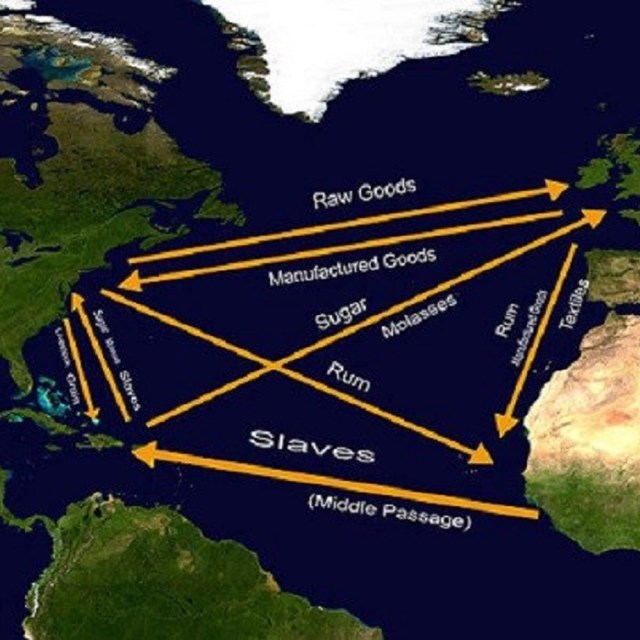
- The Middle Passage: The forced migration of millions across the Atlantic, where nearly 15% died due to starvation, disease, and abuse.
- The Lynching Era: Between 1877 and 1950, thousands of Black men, women, and children were murdered by white mobs—often as public spectacles—to enforce "white supremacy."
- The Red Summer (1919): A series of white-supremacist terrorism and racial riots that took place in more than three dozen cities across the United States.
- The Destruction of Black Wall Street (1921): The Tulsa Race Massacre, where a wealthy Black neighborhood was burned to the ground, killing hundreds and destroying generations of Black wealth.
The Legacy of the Past
Today, the "hatred" often manifests as systemic racism. Even when individuals do not use slurs, the remnants of this history exist in the form of unequal access to healthcare, housing (redlining), and the justice system. Understanding the history of these words and events is the first step in dismantling the prejudice that remains.