The Roots of Hostility
The primary driver of hatred was land competition. To justify taking indigenous territories, European settlers and later the U.S. government framed Native Americans as "savages" who were incapable of ownership or civilization. This wasn't just personal prejudice; it was a functional hatred designed to make the removal of people feel like a moral or inevitable necessity.
Dehumanization Through Language
Nicknames and slurs were created to strip indigenous people of their humanity and reduce them to caricatures or animals.
- "Redskin": Originating from the bloody practice of scalping (where bounties were paid for Native remains), this term reduced entire cultures to a physical attribute associated with violence and death.
- "Savage": Used to imply that Native people were subhuman, lawless, and lacked souls, making it "acceptable" to wage war against them.
- Mascots: Using Native identities for sports teams (like "Chiefs" or "Braves") often freezes indigenous people in a mythical past, turning living cultures into decorative icons rather than human beings.
Tragic Turning Points
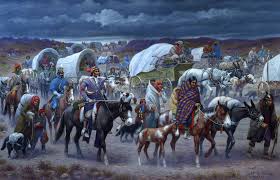
The hatred manifested in policies designed to "kill the Indian, save the man."
Modern Impact
Today, this history continues through the Missing and Murdered Indigenous Women (MMIW) crisis and high rates of poverty on reservations. The "hatred" has often evolved into invisibility, where the struggles of Native communities are ignored by the broader public.
Would you like to focus more on the legal policies used during these events or the modern movements working to reclaim indigenous identity?