The Language of Dehumanization
Terms like "Taco Bell," "Burrito," "Beaner," or "Wetback" are not just "jokes" or harmless slang; they are tools of ethnic reductionism.
- Reducing Identity to Food: Using food items as nicknames reduces a complex human being with a history, family, and soul to a cheap commodity. It suggests that the person’s only value or identity lies in a stereotype of what they eat.
- The Goal of "Othering": By using these names, the aggressor attempts to signal that the person does not belong to the "mainstream" society and is an outsider or "alien."
Why the Hatred Exists?
Sociologists and historians point to several recurring themes that fuel discrimination against Hispanic people:
- Economic Scapegoating: During economic downturns, Hispanic communities (especially laborers) are often falsely blamed for "taking jobs" or depressing wages, despite their massive contribution to the GDP and essential industries.
- Nativism and Language Bias: There is often a fear that the growth of the Spanish language or Latino culture "threatens" a perceived national identity. This leads to "English-only" sentiments and hostility toward those speaking Spanish in public.
- Colorism: Because many in the Hispanic community have Indigenous or African ancestry, racism is often intertwined with colorism, where darker-skinned individuals face more frequent and aggressive discrimination.
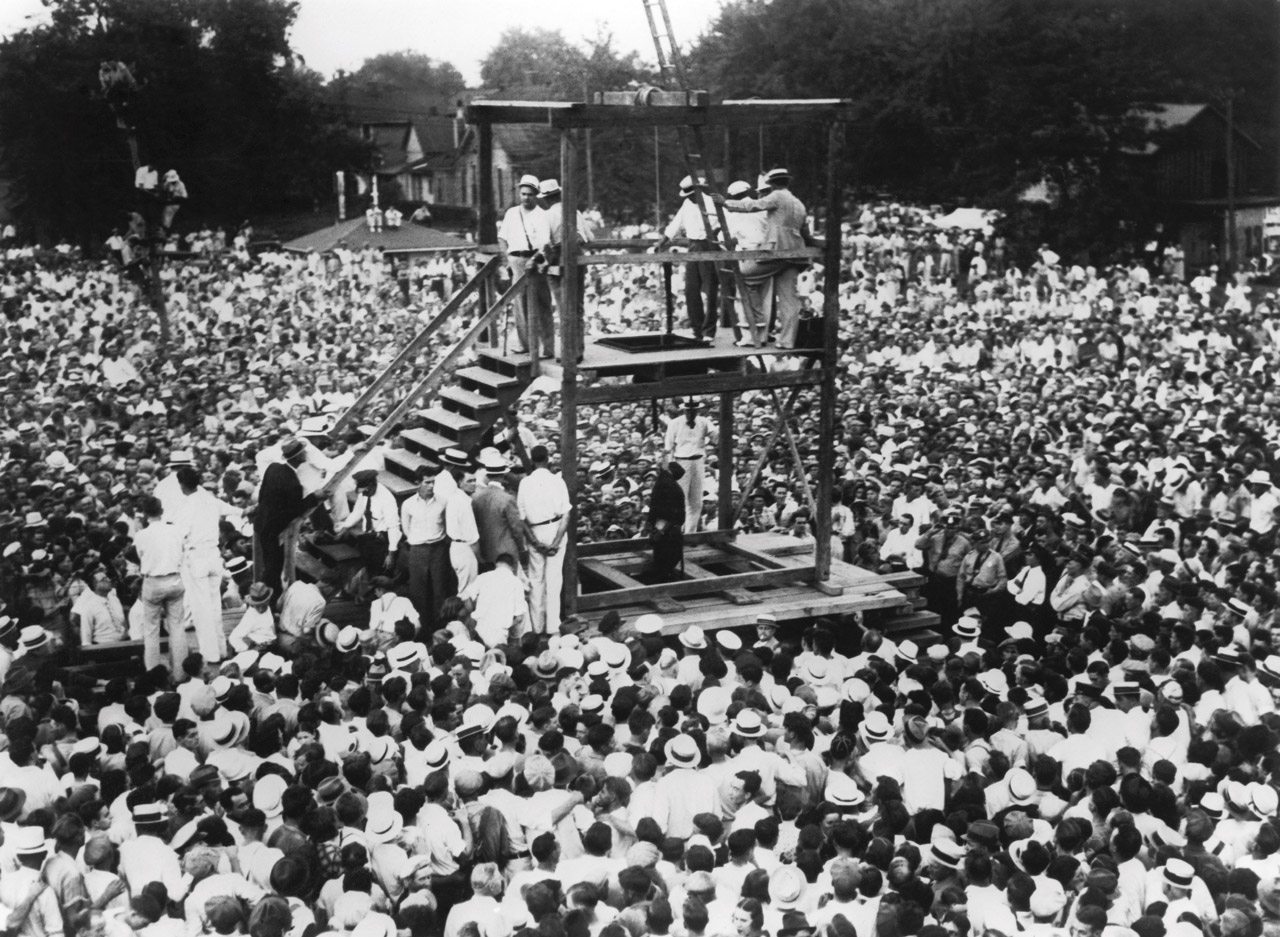
- The Era of Lynching (1848–1928): Between the mid-19th and early 20th centuries, thousands of persons of Mexican descent were lynched in the American Southwest. These acts were often carried out by mobs or the Texas Rangers, frequently under the guise of "frontier justice."
- The Mexican Repatriation (1930s): During the Great Depression, the U.S. government forcibly deported up to 2 million people of Mexican descent—an estimated 60% of whom were U.S. citizens. They were rounded up in public places and sent to Mexico to "free up" jobs for white Americans.
- The Zoot Suit Riots (1943): In Los Angeles, white sailors and Marines attacked Mexican-American youths wearing "Zoot Suits." Rather than arresting the attackers, the police arrested the victims, and the city eventually banned the wearing of the suits.
- The El Paso Shooting (2019): In a modern tragedy, a gunman targeted a Walmart in El Paso, Texas, specifically seeking to kill Mexicans. He killed 23 people in one of the deadliest hate crimes against Latinos in modern U.S. history.
Tragic Events in History
The history of discrimination against this community has often turned from verbal abuse into physical violence and state-sanctioned exclusion.
The Path to Healing
Despite these hardships, the community has fought back through landmark legal cases like Mendez v. Westminster (which ended school segregation for Mexican children) and the United Farm Workers movement led by Cesar Chavez and Dolores Huerta. Understanding this history is a way to honor the pain of the past while ensuring those tropes and nicknames are never seen as "acceptable" again.