Derogatory Slurs and Social Context
The use of racial slurs against white people, such as "cracker," "honky," or "peckerwood," is often cited in discussions about prejudice. The term "cracker," for example, has historical roots that some trace back to the "cracking" of whips by slave drivers or cattle drivers, though it evolved into a general pejorative for poor, rural white people. While these terms are used to insult or belittle, sociologists often note a difference in their impact compared to slurs used against marginalized groups. Because white people have historically held the majority of institutional, economic, and political power in Western societies, these nicknames generally lack the same systemic weight or history of state-sanctioned oppression associated with slurs directed at minority groups.
Why Anti-White Sentiment Exists
Animosity toward white people is rarely based on a belief in their biological inferiority. Instead, it is usually a reaction to power dynamics and history.
- Historical Legacy: Many people associate "whiteness" with the history of colonialism, imperialism, and transatlantic slavery. Even though individuals alive today did not participate in those events, they are sometimes viewed as the beneficiaries of the systems those events created.
- The Concept of "Privilege": In modern social justice discourse, the idea of "white privilege" suggests that white people navigate society with fewer systemic obstacles. This can lead to resentment from those who feel the system is rigged against them.
Sad Events and Contexts
While white people in Western countries generally do not face the same systemic disenfranchisement as minorities, there have been many instances of violence and tragedy fueled by anti-white sentiment.
- The Haitian Revolution (1804): Following a successful slave revolt, a period of extreme violence occurred where many of the remaining white population in Haiti were killed. While rooted in the trauma of brutal slavery, it remains a dark chapter of mass violence.
- Zimbabwe Land Seizures (2000s): Under Robert Mugabe, white farmers were targeted for violent evictions and land seizures. This led to widespread human rights abuses and the collapse of the local economy.
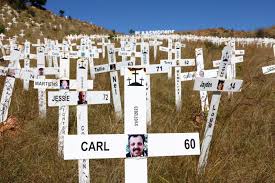
- Farm Murders in South Africa: Since the end of Apartheid, there has been a high rate of violent attacks on farmers (many of whom are white). While the motives are often debated (theft vs. race), the racial tension surrounding these events is a source of significant grief and fear.
- Interpersonal Hate Crimes: In various countries, individuals have been targeted for assault or harassment specifically because they are white, often as a "proxy" for the perpetrator's anger toward the government or society at large.
The Modern Debate
Social scientists often distinguish between prejudice (individual dislike) and racism (systemic power). Many argue that while anyone can be the victim of prejudice or a hate crime, the "white experience" is different because it is not backed by a history of legal disenfranchisement in the West. However, for the individual experiencing the hate, the emotional and physical impact remains deeply painful.